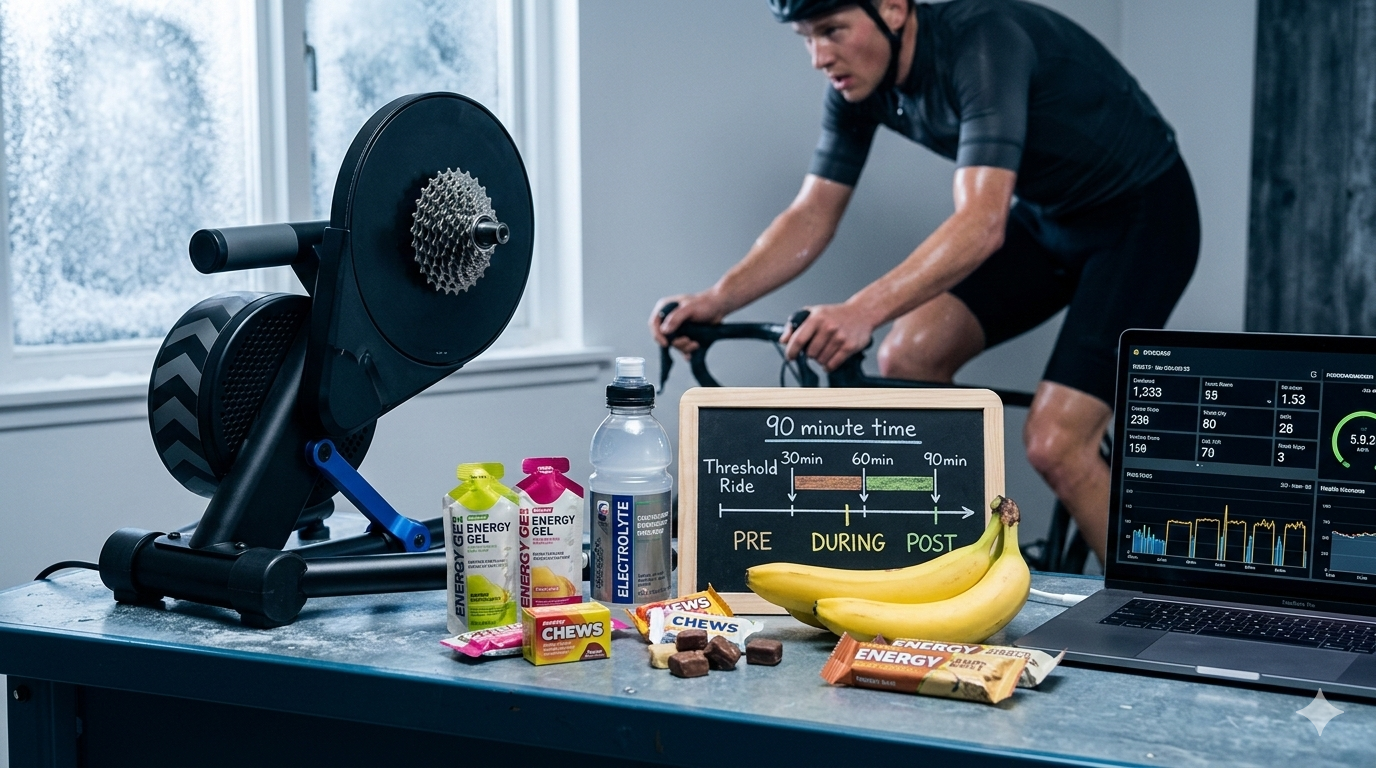
Fueling Guide: 90‑Minute Winter Indoor Threshold Ride — Eat, Drink, and Recover Like a Champ
Target reader: busy endurance athlete or committed cycling enthusiast training indoors this winter—time-crunched, looking for a practical, science-backed fueling plan to get the most from a 90‑minute threshold session.
Cold weather and indoor trainers change what works: you sweat more in a heated room, appetite can be muted in winter mornings, and glycogen balance matters for intense threshold intervals. This guide gives you specific timing windows, macro targets, snacks and meals with portions, hydration prescriptions, and evidence-based rationale so you leave the session stronger, not depleted.
Quick overview — the plan in one line
2 hours before: mixed carb + moderate protein, low fat; 15–30 minutes pre: small carb boost; during: 30–60 g carbs per hour; within 30 minutes after: protein + carbs for recovery. Hydrate proactively before, during, and after with sodium included.
Why this works (science snapshot)
- Threshold intervals rely primarily on muscle glycogen and carbohydrate oxidation — consuming 30–60 g carbs/hour improves performance in efforts lasting 60–120 minutes (Jeukendrup, 2014; Burke et al., 2011).
- Post‑exercise protein (20–25 g) within 30–60 minutes maximizes muscle repair and glycogen resynthesis when paired with carbohydrates (Ivy, 2004; Phillips, 2017).
- Sweating rates on indoor trainers are high — proactive electrolyte replacement prevents performance decline and supports rehydration (Casa et al., 2000).
Pre-ride fueling (timing + targets)
2 hours before (primary pre‑ride meal)
| Target macros | Amount |
|---|---|
| Carbohydrates | 1.0–1.2 g/kg body weight (e.g., 70–90 g for 70–75 kg rider) |
| Protein | 15–25 g |
| Fat | 10–15 g (keep low to moderate to aid gastric emptying) |
Meal ideas (choose one):
- Oat bowl: 1 cup cooked oats (40 g carbs), 1 medium banana (27 g carbs), 2 tbsp almond butter (6 g protein, 16 g fat) — plus 1 scoop whey (20 g protein). Portion: 2 cups cooked oats + banana + whey.
- Bagel + cottage cheese: 1 whole wheat bagel (45 g carbs), 1/2 cup low‑fat cottage cheese (14 g protein), 1 tbsp honey (17 g carbs).
- Rice + turkey: 1 cup cooked jasmine rice (45 g carbs), 3–4 oz sliced turkey (20–25 g protein), 1 tsp olive oil.
30–15 minutes before (if you need a top‑up)
| Target macros | Amount |
|---|---|
| Carbohydrates | 15–30 g |
| Protein | 0–5 g |
| Fat | < 5 g |
- Small options: 1 medium banana; or 90–120 mL sports drink (15–20 g carbs); or 1 small gel (20–25 g carbs).
During the 90‑minute ride
Goal: sustain high intensity and spare glycogen late in the session.
| Target | Amount |
|---|---|
| Carbohydrates | 30–60 g per hour (aim for ~45 g/hr for threshold work) |
| Protein | optional small amount (<5–10 g) if using protein‑mix beverages |
| Fat | avoid during workout |
Product and timing suggestions:
- 0–30 min: sip 300–500 mL sports drink (15–25 g carbs) containing sodium (200–500 mg/L).
- 30–60 min: 1 energy gel or 1/2 banana (~20–25 g carbs).
- 60–90 min: another small gel or 200–300 mL sports drink (20–25 g carbs).
Practical combos that hit ~45 g/hr:
- Mix: 500 mL sports drink (25 g) + half a gel at 45 min (20–25 g).
- Solid: 1 medium banana at 30 min + 1 energy chews pack at 60 min.
Hydration guidance during ride
- Sweat rate check (simple): weigh yourself before and after a 1‑hr ride without drinking. Loss in kg × 1000 = mL sweat/hour (e.g., 1.0 kg loss = 1000 mL/hr). Replace ~50–75% during exercise and the rest after.
- General: aim for 400–800 mL/hour indoors depending on sweat rate and temperature. Include 300–700 mg sodium in total across the ride to promote fluid retention.
Immediate post‑ride (within 30 minutes)
Fast window to start recovery — prioritise carbs + protein.
| Target macros | Amount |
|---|---|
| Carbohydrates | 0.5–0.7 g/kg (e.g., 35–50 g) |
| Protein | 20–25 g |
| Fat | small amount OK (5–10 g) |
Snack ideas (choose one):
- Recovery shake: 1 scoop whey (20–25 g protein) + 350 mL milk or fortified plant milk + 1 small banana (25 g carbs).
- Yogurt bowl: 1 cup Greek yogurt (20 g protein) + 1/2 cup granola (30 g carbs) + honey.
- Tuna sandwich: 2 slices whole‑grain bread (30–35 g carbs) + 3 oz tuna (20 g protein).
Rehydration after the ride
- Replace remaining fluid losses within 2–4 hours: for each 1 kg body weight lost, drink ~1.25 L of fluid. Include salted foods or electrolyte beverage to restore sodium.
- Example: lost 1.0 kg → drink ~1.25 L with ~600–800 mg sodium added across that rehydration period.
Full post‑ride meal (1–3 hours after)
Goal: refill glycogen and support adaptation.
| Target macros | Amount |
|---|---|
| Carbohydrates | 1–1.2 g/kg for next few hours if you have another session or high training load |
| Protein | 20–30 g high‑quality protein |
| Fat | 10–20 g (sensible amount) |
Meal ideas:
- Grilled salmon, lemon‑herb orzo, and greens — a balanced plate with ~50–70 g carbs and 25–30 g protein. (Try our Harissa‑Honey Glazed Salmon with Lemon‑Herb Orzo for inspiration.)
- Chicken grain bowl: 1.5 cups cooked quinoa, 4 oz chicken breast, roasted veggies, olive oil drizzle.
- Harissa chicken meatballs + orzo for a quick, training‑friendly dinner if you ride in the evening — packed with carbs and protein (recipe link).
Winter-specific notes
- Indoor rooms are often heated — expect higher sweat rates than outdoor winter rides. Measure and adjust fluid accordingly.
- Immune support: include vitamin C and zinc‑rich foods during winter training blocks and prioritize sleep to recover effectively.
- If training early and appetite is low, use liquid options (shakes, smoothies) that are easier to consume pre‑ride.
Quick checklist before your next indoor threshold session
- Weigh yourself pre and post to estimate sweat rate.
- Prepare 1 sports drink bottle (500–750 mL) and 1 gel or banana for the ride.
- Eat a 2‑hour pre meal with ~1.0–1.2 g/kg carbs and 15–25 g protein.
- Have a recovery shake ready to drink within 30 minutes after the ride.
- If you're doing a winter indoor training block, pair this fueling plan with a structured plan like our 8‑Week Polarized Winter Base to build consistency.
Put this plan into practice for 3–4 sessions and adjust based on how you feel: more carbs if you fade late, more sodium if cramping or very heavy sweating, and more protein if recovery feels sluggish. Train smart, fuel smarter — you’ve got this.